
‘Winning for the West‘
January 2006

- Clean Water Act settlement commits major Idaho milk processor to improved waste management, and nets $35,000 for wetlands and water quality improvement projects in southern Idaho waterways.
- Notice of intent to sue letter blocks U.S. Forest Service from authorizing helicopter landings in Frank Church-River of No Return Wilderness in central Idaho, to dart and collar wolves.
February 2006
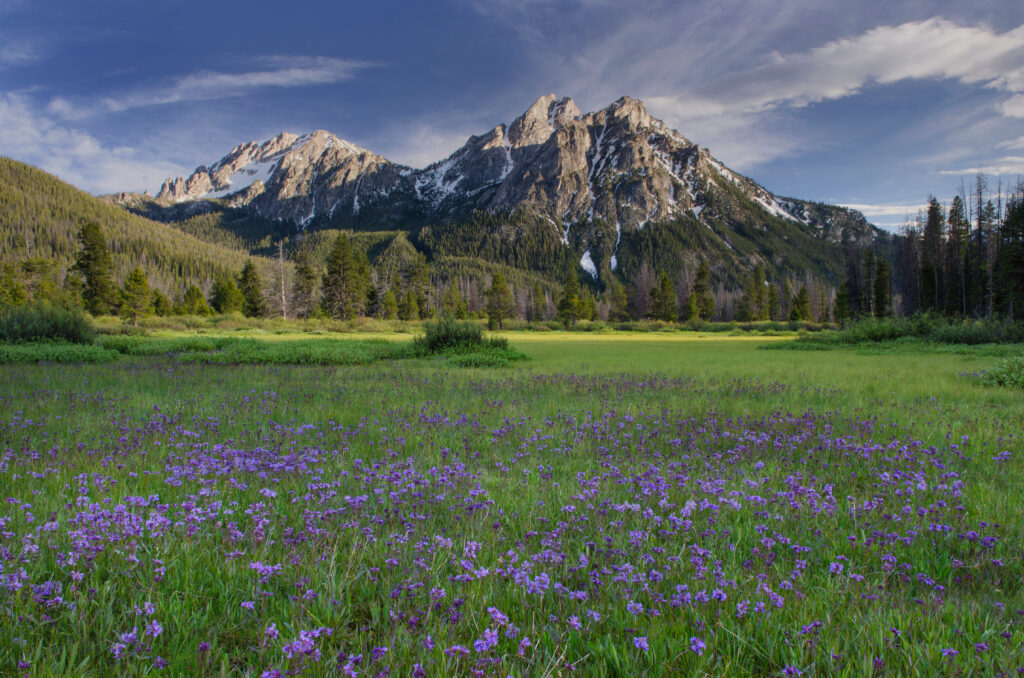
- Won precedent-setting decision from Idaho Federal Court, holding that Forest Service must assess “capability” and “suitability” of public lands for livestock grazing on a site-specific basis, thus reversing sheep grazing decisions for four allotments in the Sawtooth National Recreation Area.
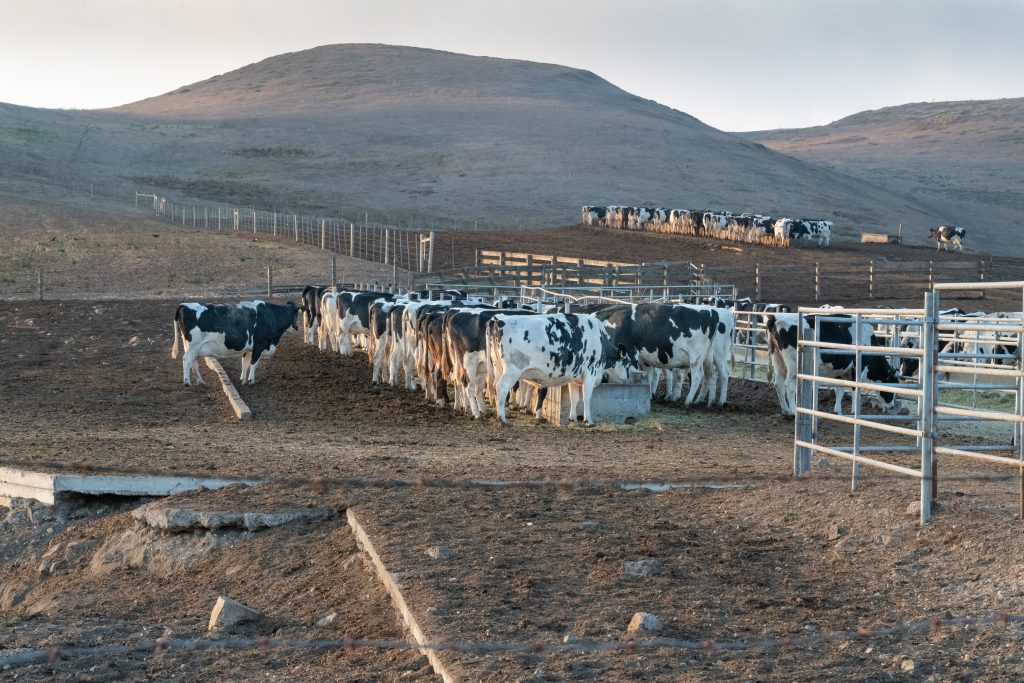
- Culminating a process launched by our prior Clean Air Act litigation and settlement against a proposed mega-dairy, Idaho Board of Environmental Quality adopted rules setting new permitting requirements to reduce air pollution from large dairies. The first of their kind in their nation, the rules are expected to improve air quality protections at dozens of Idaho mega-dairies.
March 2006
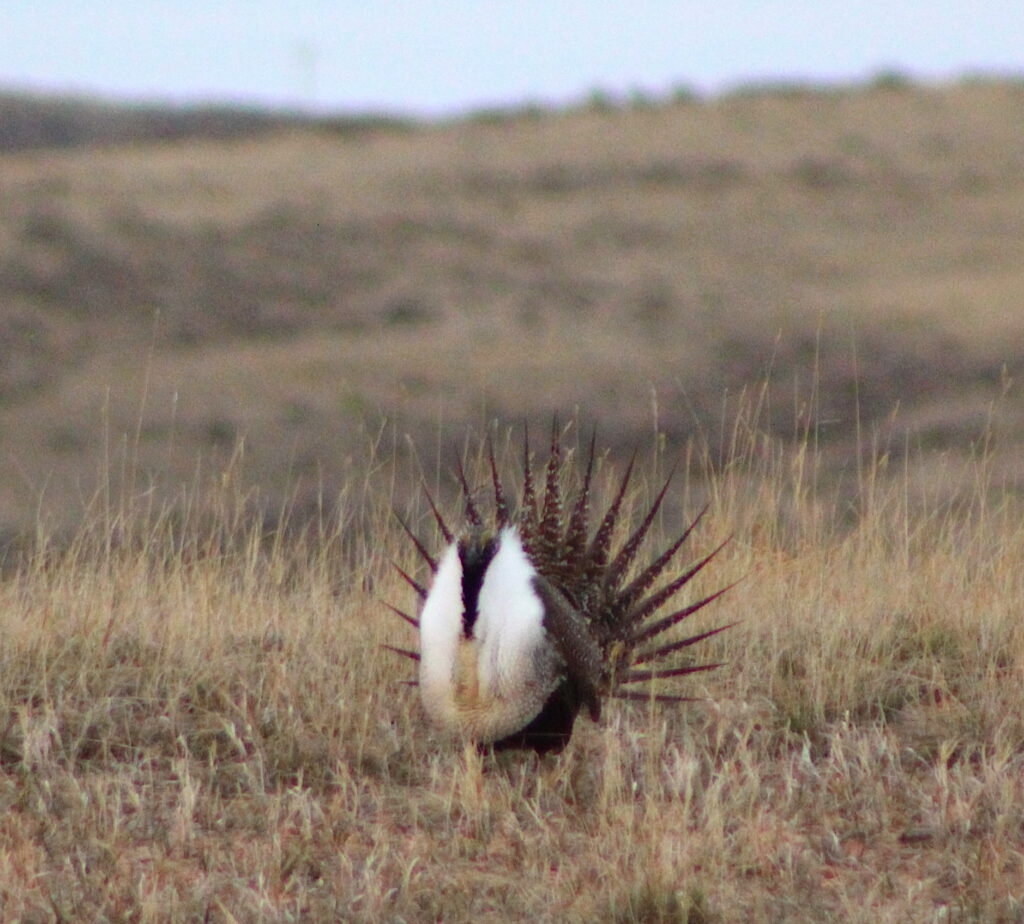
- Following two week trial, a Department of Interior Administrative Law Judge reversed BLM grazing decisions for 500,000 acres in northern Nevada grazed by Barrick Goldstrike, for failure to study impacts on sage-grouse, Lahontan cutthroat trout, and other values. Interim settlement following this victory requires Barrick to rest the majority of the allotment from grazing during 2006; negotiations are continuing over long-term resolution.
April 2006
- In response to our threatened litigation, Nevada state agencies and mining companies agree to improvements aimed at reducing mercury emissions from major northern Nevada gold mines, which are among the largest sources of mercury pollution in United States.
- After winning initial court victory over innovative legal theory – that Forest Service is wrongly authorizing grazing on Spud and Marco Creek allotments in Upper Salmon basin, even though fences and spring developments are non-functional–we reached settlement requiring agency to close portions of allotment, conduct monitoring, and prepare new environmental analysis.
May 2006
- Settlement with U.S. Fish and Wildlife Service requires agency to respond to listing petition seeking to protect Sharp-tailed Grouse under Endangered Species Act.
June 2006
- After ruling that the U.S. Forest Service must assess “capability” of public lands to sustain livestock grazing (see February 2006 entry), Idaho federal court issues injunction to prohibit sheep grazing on sensitive allotment in Sawtooth National Recreation Area.
July 2006
- State District Court reverses a subdivision near the Teton River due to inadequate protection of open space. This is the second time the same court reversed this project (procedural violations were to blame the first time).
- Litigation filed in Idaho federal court challenges Bush Administration’s refusal to protect Greater Sage Grouse under the Endangered Species Act. Results of the litigation could have impacts on public lands management–including energy development, grazing, and other activities–across the West.
August 2006
- U.S. District Court in Idaho issues nation-wide injunction barring Bush Administration from implementing new BLM regulations that would eliminate public involvement in grazing decisions on nearly 200 million acres of public lands. Livestock industry sought the new regulations to rescind prior Clinton Administration “rangeland reforms” that increased public involvement and set minimum ecological requirements for public lands grazing.
September 2006
- In second injunction over new BLM grazing regulations, U.S. District Court bars Bush Administration from implementing regulations that would gut ecological requirements for grazing on public lands, and give ownership of range projects to ranchers.
October 2006
- Adding to our December 2005 victory closing certain snowmobile trails, we won an expanded federal court injunction barring snowmobile use in most of Caribou Recovery Area in Selkirk Mountains of northern Idaho, to protect endangered woodland caribou from increasing motorized recreation impacts.
- After Bush Administration flouted prior order, federal court directs Fish and Wildlife Service to issue final rule to protect Slickspot peppergrass–a rare desert flower found only in southern Idaho–under the Endangered Species Act by January 2007.
December 2006
- After two years of negotiations led by Advocates for the West, Idaho Power Company and our client NW Energy Coalition filed an agreement with the Idaho PUC to boost energy conservation and efficiency efforts in Idaho. The agreement is designed to “de-couple” Idaho Power’s rates from conservation efforts, by providing it more assurance that the costs of providing electricity will be covered even if customers use less electricity. A related program offers financial rewards to the Company for excellent performance in beating conservation targets.