
‘Winning for the West’
April 2019

- Protecting Idaho Wolves: The U.S. Court of Appeals for the Ninth Circuit issued a strong opinion reversing the negative decision by now-retired Idaho district judge Lodge, and upheld our clients’ “standing” to challenge USDA Wildlife Service’s wholly inadequate analysis of environmental impacts and alternatives to its Idaho wolf control actions. Those actions include killing wolves deemed a threat to livestock, but also a new “expanded” mission of gunning down wolves in the Lolo and Selway zones at the request of Idaho to supposedly help elk and deer populations. Growing science shows such wolf control actions have little benefit but are highly controversial, warranting full evaluation through an Environmental Impact Statement. In response to this and other litigation, Wildlife Services is now preparing a full EIS for its Idaho predator control actions, including wolves.
May 2019
- Bernhardt Sage-Grouse Plan Rollbacks: The U.S. District Court granted our motion to amend an existing sage-grouse case in Idaho to challenge the Interior Department’s March 2019 decision—approved by David Bernhardt, the former oil and gas industry lobbyist—to weaken BLM sage-grouse plans across 50 million acres in seven western states. The plan rollbacks are intended to advance Trump’s “energy dominance” agenda for public lands by opening up important sage-grouse habitats to oil and gas and other energy development. We filed a Motion for Preliminary Injunction to halt the plan rollbacks, which remains pending in the federal court.
June 2019
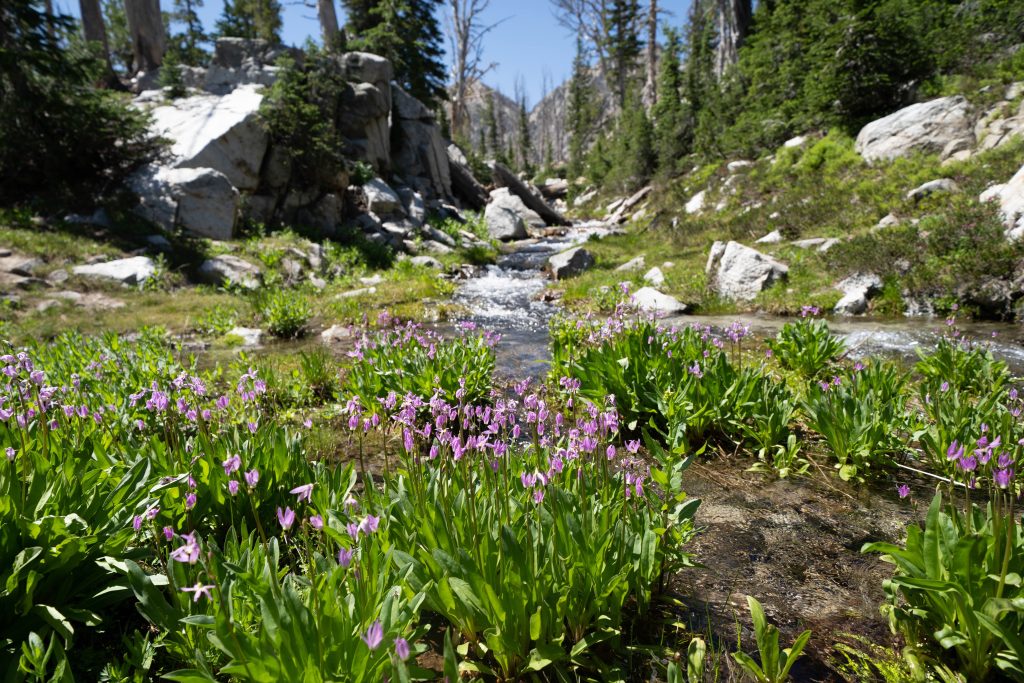
- Sawtooth Valley Diversions: U.S. District Judge Winmill ruled in favor of us and our client, the Idaho Conservation League, that the Sawtooth National Forest is violating the Endangered Species Act in delaying for more than 20 years its evaluation and improvement of two dozen outmoded irrigation diversions in the Sawtooth Valley of central Idaho, which block streams and de-water habitat for Idaho’s imperiled salmon, steelhead and bull trout.
- Upper Willamette Dams: The U.S. District Court in Oregon issued a ruling in this case challenging the Army Corps’ Endangered Species Act violations in failing to improve fish passage and provide adequate flows for endangered salmon and steelhead at several old Corps’ dams in the Upper Willamette River watershed. The court held we could properly provide declarations from fisheries experts who previously worked on the Upper Willamette Project, and found we are likely to prevail on our ESA claims. The court has set expedited briefing to resolve those claims in the next year.
July 2019
- Oregon Hatcheries: We reached an out-of-court settlement with the Oregon Dept. of Fish and Wildlife over ongoing Clean Water Act violations at ODFW fish hatcheries across the State of Oregon. Under the settlement, the ODFW hatcheries will improve their pollution clean-up measures before discharging to Oregon streams and rivers, and obtain updated Clean Water Act permits within a set schedule.
- Antelope Allotment: In this fourth round of litigation seeking to protect Oregon spotted frogs and their sensitive fen habitats on the Fremont-Winema National Forest of south/central Oregon, our preliminary injunction motion forced the U.S. Forest Service to reduce grazing authorized for 2019 by over 90% while the agency tries to comply with its duties under the National Forest Management Act, Endangered Species Act, and National Environmental Policy Act.
August 2019
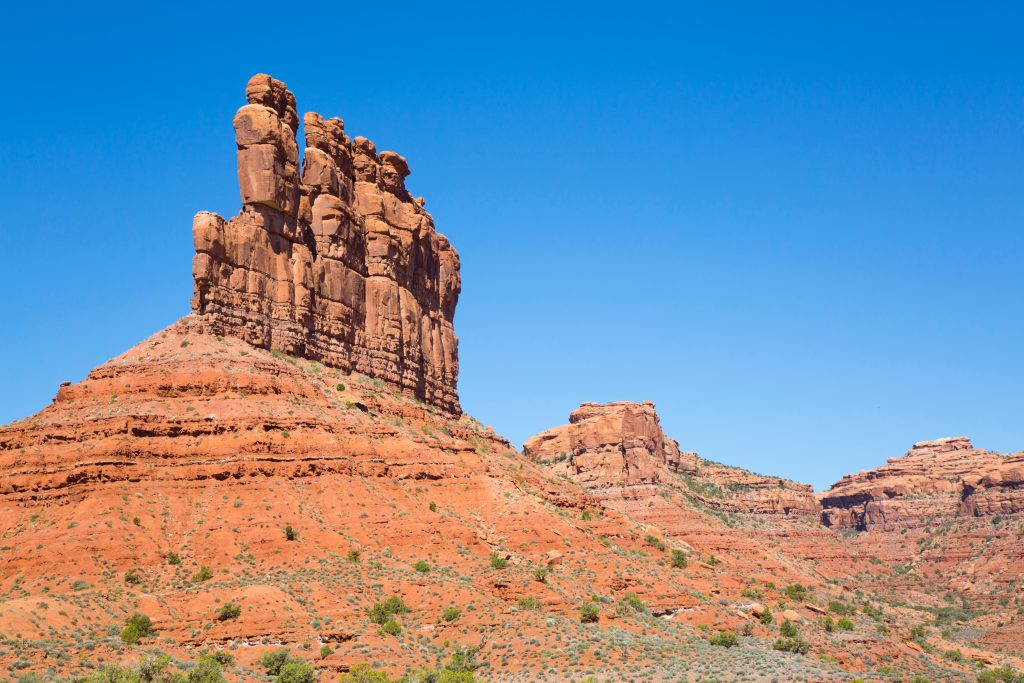
- Bears Ears Oil and Gas Leases Suspended: After we and other challenged dozens of oil and gas leases issued by the BLM near the Bears Ears national monument in southeastern Utah—one of the richest archeological landscapes in the country—the agency determined to suspend the leases while performs additional analysis of their potential adverse impacts.
September 2019
- Atlanta Gold Contempt: U.S. Magistrate Judge Bush ruled that mining company Atlanta Gold Inc. remains in contempt of court for failing to meet requirements of its Clean Water Act permit and prior orders to clean up pollution discharges at its mining site near Atlanta, Idaho.
October 2019
- Blocking Bernhardt Sage-Grouse Plan Rollbacks: In October 2019, U.S. District Judge Winmill granted us a preliminary injunction that blocked BLM from implementing changes in sage-grouse land use plans covering 51 million acres in seven western states. The changes—spearheaded by Interior Secretary David Bernhardt, the former oil and gas lobbyist—were intended to weaken protections of the highest value sage-grouse habitats and allow extensive new oil and gas, mining and other industrial development. The Court’s order reinstates 2015 sage-grouse plans adopted under the Obama Administration which—while far from perfect—protect key sage-grouse habitats and require mitigation when development is allowed in them.
- Suction Dredge Mining, SF Clearwater River: U.S. Magistrate Judge Bush denied a motion to dismiss our Clean Water Act case for Idaho Conservation League against Shannon Poe—a leader of the “American Mining Rights Association”—for unlawfully conducting suction dredge mining on the South Fork Clearwater River in several recent years with a CWA permit. Poe claims he has “constitutional” rights to suction dredge without any federal permit. The Court’s ruling now opens the door for discovery and then trial on our case against Poe.
- Arizona Oil and Gas Leases Suspended: In response to our lawsuit, BLM decided to “suspend” oil and gas leases it awarded in the Little Colorado River watershed without adequate analysis of environmental impacts, and will do further analysis.
December 2019

- Lethal Hot Water in Columbia/Snake Rivers: In December 2019, the U.S. Court of Appeals for the Ninth Circuit handed us a sweeping victory, affirming that EPA has a duty under the Clean Water Act to address hot water temperatures in the lower Snake and Columbia Rivers, which are lethal to migrating salmon and steelhead. The hot temperatures are primarily caused by the long reservoirs behind dams on the rivers, and exacerbated by climate change. EPA will now have to weigh in on the growing debate about the true costs of the lower Snake River dams and whether they should be removed to benefit Idaho salmon and steelhead.
- Kilgore Mine: Also in December 2019, the Idaho Federal Court held that the Caribou-Targhee National Forest failed to evaluate potential impacts to ground water and surface water from the Kilgore Mine exploration project, which proposes to construct new roads and drill dozens of bore holds in seeking to promote a new gold mine in the Centennials Mountains—the “High Divide” linking Yellowstone National Park to wilderness and roadless areas in Idaho and Montana that are vital for migrating grizzly bear and other sensitive species.